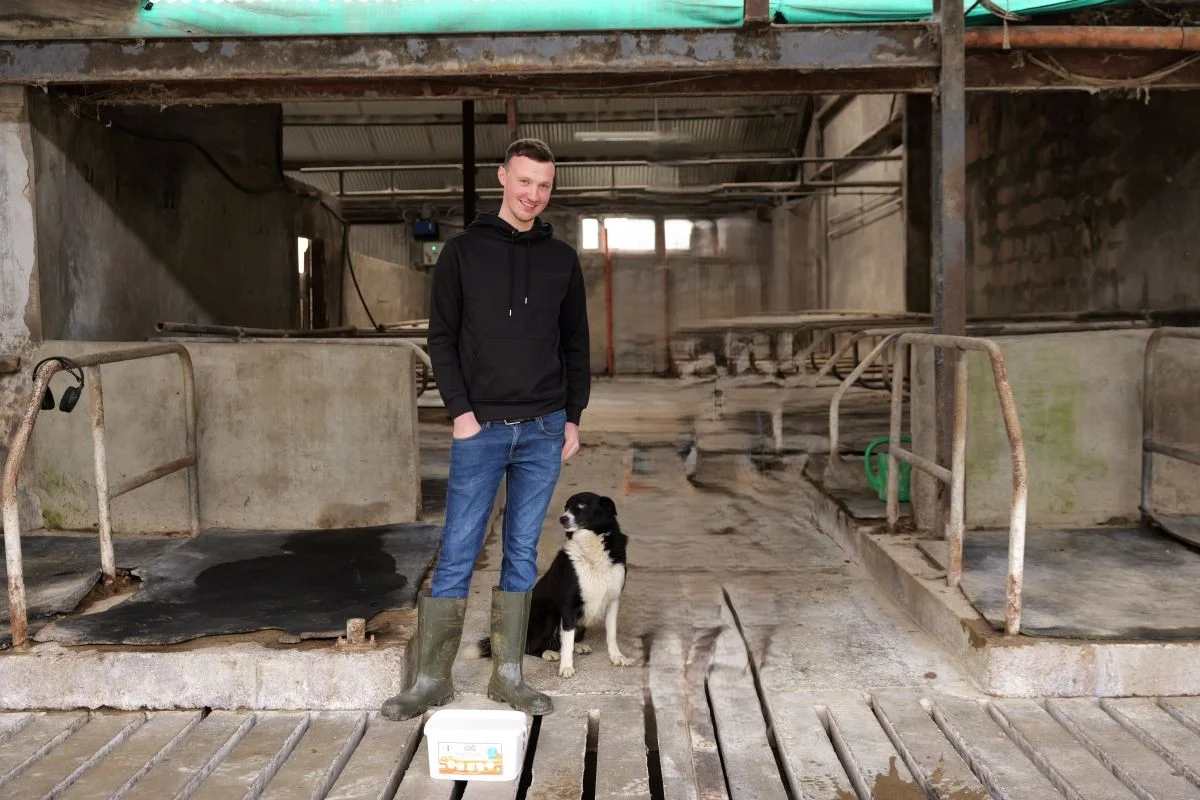
Aidan Quinlan, a dairy farmer in Co. Kerry, calves in a compact window from February to mid-March and with compact calving the workload with calves is high, he can’t afford a calf that falls behind. In spring 2024, on the recommendation of Kevin Hartigan, Key Account Manager at Natural Stockcare, he introduced BioBalance to his programme for the first time — picking it up from his local Farm and Home Store branch.
“This year, the calves are the healthiest I’ve had in a long time, with none of the setbacks we’ve seen in previous years,” he says. “They’re thriving, more even in weight, and consistently on target. BioBalance has been well worth it.”
Every setback in the first weeks of a calf’s life carries a cost that extends far beyond the immediate health bill. Research estimates that each sick day in the first four months costs approximately 109kg of milk in first lactation. For dairy farmers under pressure to hit liveweight targets and rear high-performing replacements, getting the early-life period right is everything.
The challenge is that the early weeks are also when calves are at their most vulnerable. The digestive system is still developing, the rumen is not yet functional, and the transition from colostrum to whole milk and/or calf milk replacer places significant stress on the gut. It is during this window that the foundations of lifetime performance are either built or compromised — and for many farmers, it is the period where things most often go wrong.
Feeding for a Better Start
Aidan feeds his calves on a 50/50 mix of milk powder and whole milk, keeping them indoors for their full first year. Where many farmers stop adding BioBalance at 28 days, Aidan extends his feeding period to seven weeks — and he’s clear on why.
“I think I got a bigger, heavier calf — they were thriving,” he says. “I’d feed it for seven weeks again because I had no problem with my calves and they transitioned easily onto solid feed.”
When it comes to managing calves through his extended housing period, Aidan keeps things straightforward. He runs his calves with ad-lib access, letting them drink on their own terms. “They can drink whatever they want — some calves are well able for higher intakes and they regulate themselves,” he says. In his experience, the management system matters less than the consistency and robustness of the calf in front of you. A healthy calf, he argues, will manage itself.
.
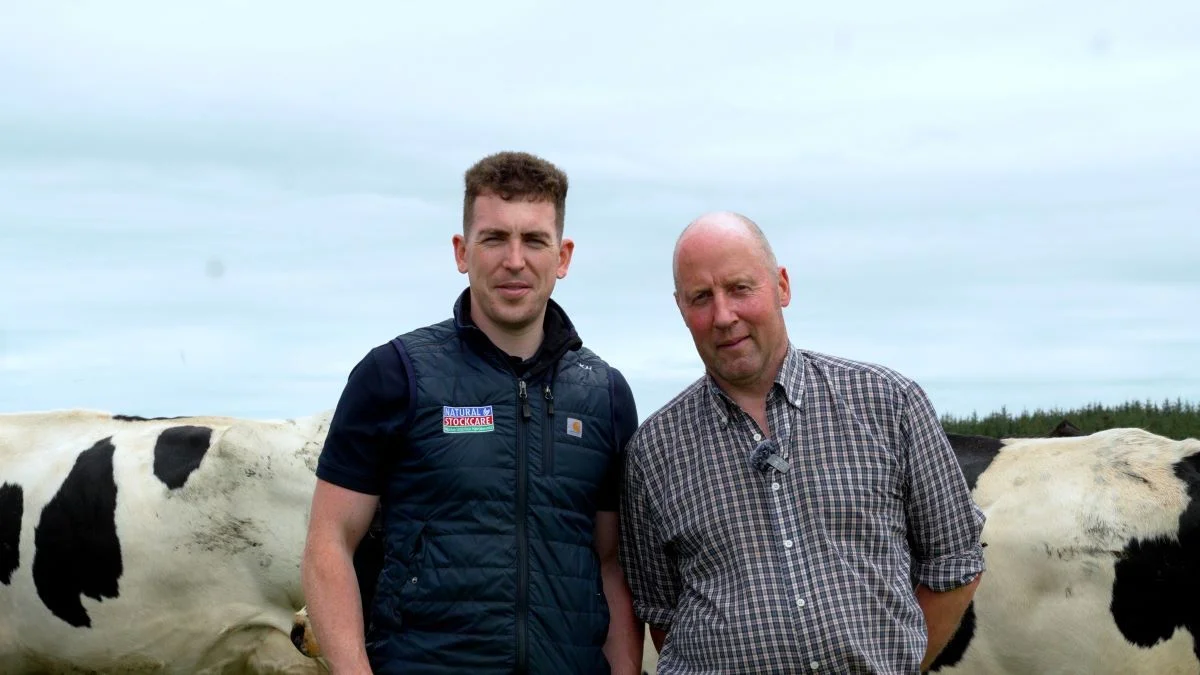
What Is BioBalance?
BioBalance is a next-generation postbiotic liquid supplement designed to support gut development and early-life performance in young ruminants. To understand what makes it different, it helps to understand the distinction between the three main categories of gut-support products on the market.
Prebiotics are non-digestible fibres that act as a food source for beneficial microbes already present in the gut. Probiotics are live microorganisms fed to the animal to colonise the gut and produce beneficial metabolites — but they must survive digestion to be effective, which is not always guaranteed. Postbiotics, by contrast, are fermented outside the body by bacteria or yeast. They contain the beneficial metabolites directly, without relying on survival through the digestive tract. The result is a more stable, consistent, and targeted form of gut support.
BioBalance is built around Saccharomyces cerevisiae fermentation product (SCFP) — a research-backed postbiotic that has been evaluated in 21+ academic studies and field trials, including 15 peer-reviewed publications focused on calf health and performance.
BioBalance also contains plant extracts, which provide naturally occurring bioactive compounds that support gut balance during early life. These are included specifically to support the calf during the period when the digestive system is still developing and under pressure — helping maintain digestive comfort, support microbial balance, and complement the activity of the postbiotic component.
Together, the postbiotic and plant extract combination is designed to reinforce the intestinal barrier, support the gut microbiota, and improve nutrient utilisation — giving calves the structural foundation they need to grow consistently from day one.
Introducing BioBalance
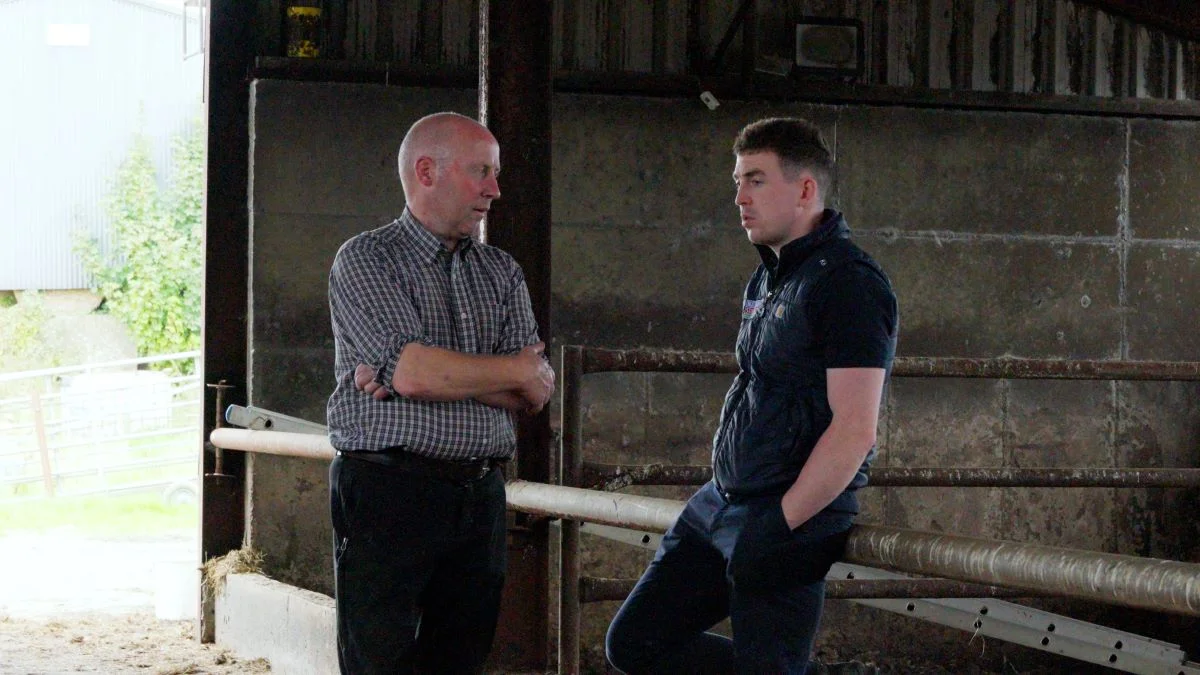
When Kevin Hartigan introduced BioBalance to Aidan ahead of the 2024 calving season, he was willing to give it a try. The standard dose is 20ml per day for 28 days, added to milk (including initial colostrum where possible) from birth. Aidan’s system from day one is to get colostrum into the calf straight away, transition to milk for the first three to four weeks, then move to once-a-day feeding from week four onwards — with BioBalance added throughout that early window.
During the season, Aidan noticed one or two calves were slightly off for a day or two. Rather than waiting, he doubled the dose to 40ml and saw results quickly. “We gave them 40ml for the day and it seemed to work,” he says.
This flexibility is part of how BioBalance is designed to be used. For calves that are recovering from illness or under additional stress, the dose can be increased to 40ml per head per day to provide greater gut support during the recovery period. The product works alongside your farm’s existing management and health programme rather than replacing it.
The impact across the group was clear from the very first morning check. “When we opened the door, they were on their feet — you didn’t have to go looking at them, you would know they were all there. There were no issues with them this spring.”
A More Even, Thriving Bunch of Calves
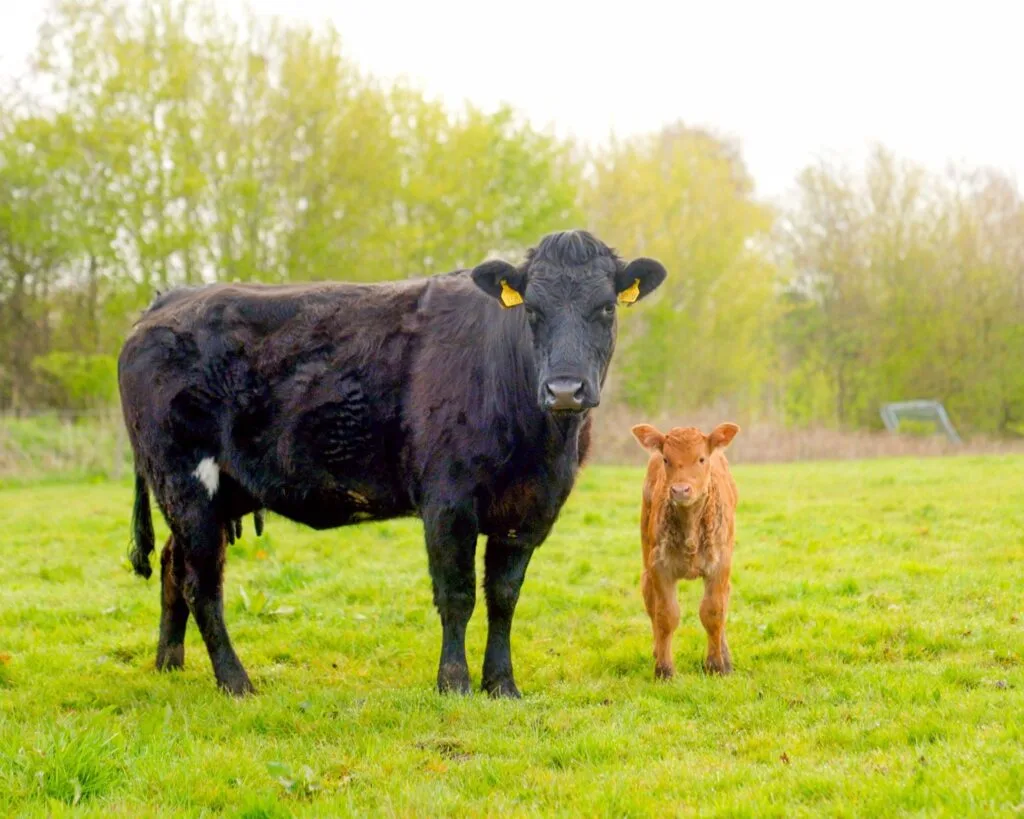
The difference Aidan noticed most between 2023 and 2024 was uniformity. In a dairy system, variation within a calf group is a warning sign — it points to uneven gut development, inconsistent feed conversion, or health challenges that have set individual animals back at different stages. When a group is even, it means calves are starting from the same place, fewer groups, easier management decisions.
In 2023, Aidan experienced a respiratory health challenge in his calves despite vaccinating. Pneumonia is one of the most costly and consequential diseases in young calves — not only because of the immediate impact, but because of what it does to long-term performance. Calves that develop pneumonia in the first months rarely recover their full growth potential, regardless of how well they are managed afterwards.
“Calves can never really thrive properly after getting a setback like that,” Aidan says. “So the biggest thing for me is keeping them moving from day one.”
In 2024, with the same vaccination programme in place and BioBalance the only addition, the picture was completely different.
“They were more even, whereas the year before you had smaller ones and bigger ones. This year they seemed to be more even and I had a healthier bunch of calves in ’24 than I had in ’23 — thriving better and no health issues really.”
This is consistent with the science behind BioBalance. By supporting intestinal development — increasing villi surface area and improving nutrient absorption — calves supplemented with SCFP show higher average daily gain and earlier concentrate intake compared to control groups. Improved gut integrity is also associated with fewer digestive upsets and greater resilience to the environmental pressures that typically trigger health challenges in the housing period.
Strong early-life performance, in turn, is linked to improved lifetime productivity. Research by Soberon and Van Amburgh (2013) demonstrated a direct relationship between pre-weaning average daily gain and first-lactation milk yield — meaning that the work done in the first 28 days of a calf’s life has consequences that extend years into the future.
For Aidan, who targets 360–375kg at twelve months for calves heading to market at one year of age, that even growth across the group is not just desirable — it is essential. Replacement heifers need to be hitting weight targets consistently, and bull calves that fall short represent lost margin.
“It’s about more weight and getting more from them,” he says. “They can’t afford to get a setback — I just have to keep them moving.”
One Change, One Clear Difference
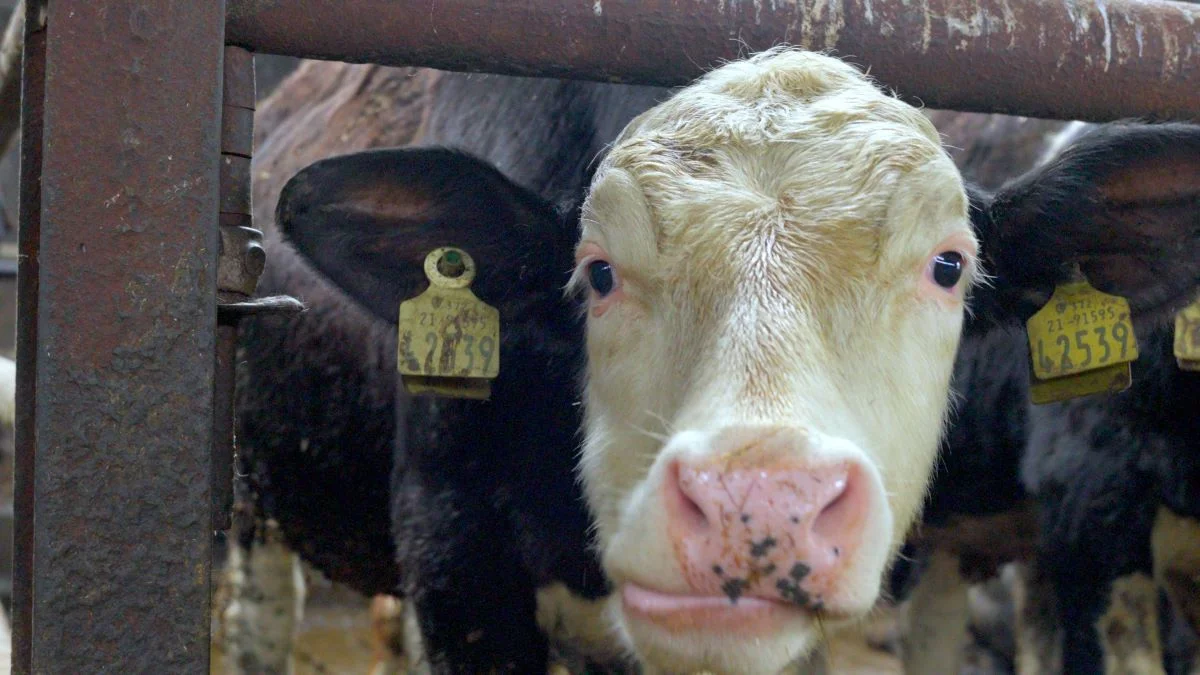
“I vaccinated in 2024 and the only difference I made was the BioBalance — and we didn’t have those issues again,” says Aidan. “The calves were more robust, tougher, just getting on with each other.”
For farmers considering whether a calf supplement is worth the investment, Aidan’s experience offers a straightforward answer. The cost of BioBalance per calf is minimal relative to the value of a calf that hits its weight targets, stays healthy through the housing period, and goes on to perform. The cost of a calf that doesn’t — in vet bills, lost growth, and reduced lifetime output — is far greater.
For Aidan, the verdict couldn’t be simpler. “It’s been a very different outcome. The only difference was the BioBalance. It’s been well worth it.”
For more information on BioBalance or to discuss a calf nutrition programme for your farm, get in touch with our team.