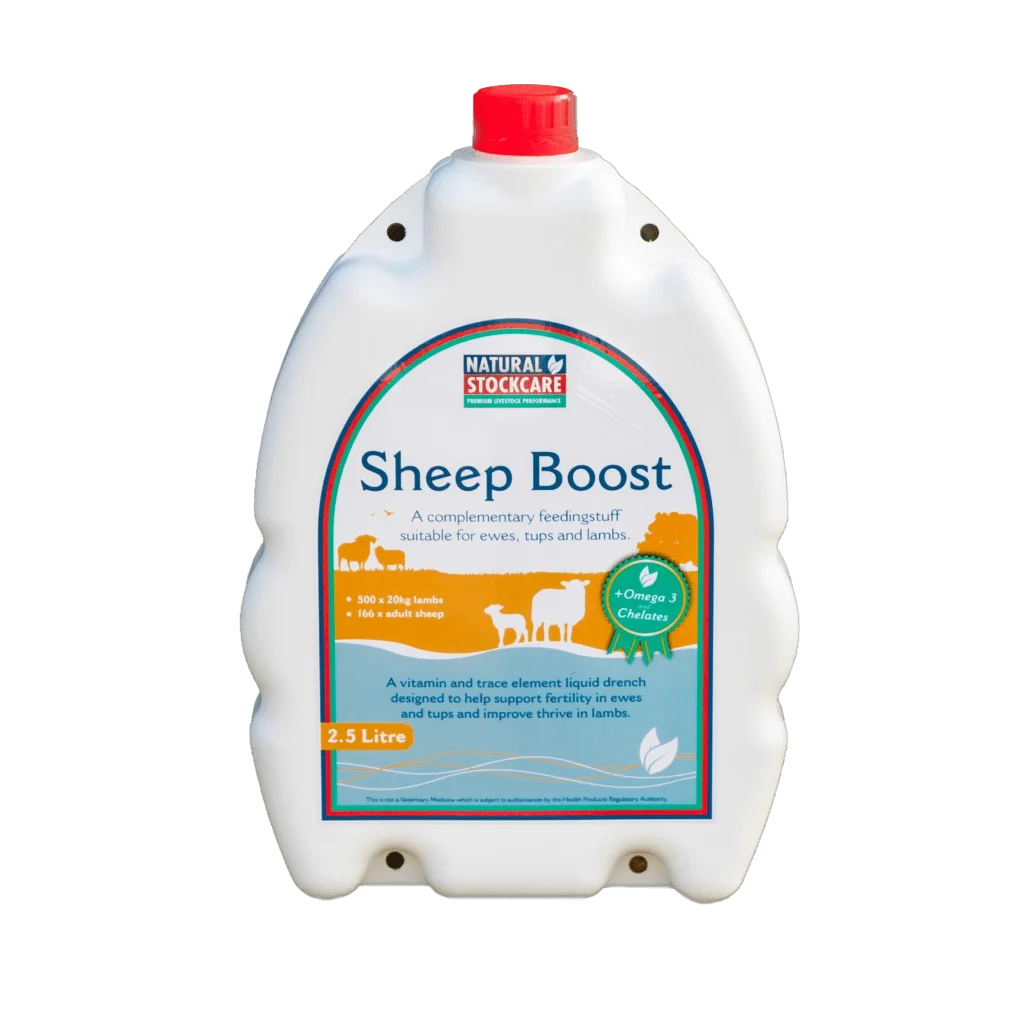
Dose rates
For all Lambs after weaning and at 2 to 3-month intervals:
Sheep Welfare Scheme Approved-Ireland
Does not contain Copper
“We’ve been using Twin Plus and Cobalt B12 on our farm for almost 15 years, and we’ve seen a significant increase in our lambs weaned each year. Twin Plus has been especially effective in bringing up the body condition of our ewes before breeding, resulting in a higher number of healthy lambs at birth. We give all our lambs Cobalt B12 to ensure they thrive a few weeks after birth. These products have been a vital part of our farm’s success, and we highly recommend them to any farmer looking to increase their lambing percentage and the health of their flock.”

Managing the nutritional needs of sheep is essential to their health, growth, and productivity. The vitamins and trace minerals that support various physiological functions can significantly enhance the overall performance of a flock.
Vitamins such as A, D, E, and B-group vitamins play distinct roles in sheep health and productivity. Vitamin A is critical for vision, growth, immune function, and reproduction, impacting the general health of sheep significantly (McDowell, 2000). Vitamin D supports calcium absorption, bone development, and overall skeletal health and plays a pivotal role in immune function (NRC, 2007). Vitamin E is an antioxidant, protecting cells from oxidative damage, especially during stressful periods (Pavlata et al., 2007). It’s also been found to boost reproductive performance in ewes (Pavlata et al., 2007). B-group vitamins, which include B1, B2, B6, and B12, are crucial for energy production and the formation of red blood cells. These vitamins can improve overall metabolic health and energy balance, particularly during periods of high energy demand, such as lactation or recovery from illness (NRC, 2007).
Trace minerals such as Iron, Zinc, Manganese, Iodine, and Selenium are also crucial to sheep’s health. Iron is necessary for red blood cell formation, and its deficiency can lead to anaemia and associated health complications (Suttle, 2010). Zinc is involved in numerous metabolic reactions, supporting the immune system and growth; deficiency can lead to poor growth, weight loss, and impaired wound healing (McDowell, 2010). Manganese is critical for enzyme function and reproduction, with its deficiency linked to poor reproductive performance in ewes (Suttle, 2010). Iodine is required for thyroid hormone production, which regulates metabolism, and its deficiency can lead to goitre and other metabolic disorders (NRC, 2007). Selenium acts as an antioxidant, supporting immune function, and its deficiency can lead to white muscle disease, a condition affecting skeletal and heart muscles in lambs (Suttle, 2010).
The sheep’s body condition score (BCS) is directly influenced by nutritional intake. Therefore, BCS, a hands-on method used to determine an animal’s condition by assessing the amount of muscle and fat over the backbone and ribs, can be adversely affected by poor nutrition, impacting fertility, lamb survival, and overall productivity (Russel et al., 1969).
Moreover, good nutrition is paramount to the quality of colostrum produced by ewes. Colostrum is the first milk produced after lambing, rich in nutrients and antibodies, crucial for lamb survival and early development (Russel et al., 1969). Therefore, colostrum quality is directly related to the ewe’s diet, especially during late gestation. A well-balanced diet rich in vitamins and minerals can significantly improve colostrum quality, enhancing lamb survival and growth (Gånheim et al., 2005).
These essential vitamins and trace minerals can lead to better health outcomes, including improved growth rates in lambs, higher fertility rates in ewes and rams, better pregnancy outcomes, increased milk production during lactation, and improved immune function. It also results in a lower incidence of diseases, better overall herd health, improved BCS, and high-quality colostrum.
The perinatal period is a vulnerable time for sheep and lambs due to potential vitamin and mineral deficiencies. Inadequate maternal nutrition during pregnancy and lactation can have severe consequences for the health and performance of the offspring. Colostrum, vital for providing lambs with the nutrients they need to thrive, can be deficient in several essential vitamins and minerals, notably Vitamin E, which can negatively affect the health and productivity of the animals (Calderon-Mendoza et al., 2018; Kelly et al., 2013). Therefore, ensuring adequate levels of these crucial nutrients is paramount.
Particular combinations and formulations of vitamins and minerals have been found to offer a range of benefits, including heightened immune protection, increased antibody production, and better gut protection. Studies have shown that supplementing with vitamins A, E, Zinc, Selenium, and Iodine can improve colostrum quality, resulting in fewer complications during lambing, healthier ewes, and fewer stillbirths (Calderon-Mendoza et al., 2018). Moreover, such a supplement can promote healthier lambs and better thriving and weight gain (Suttle, 2010).
The nutritional demands on ewes increase further when they carry multiple lambs, such as twins or triplets. Poor weather conditions, hillside pastures, low-quality grazing and forage, hoof problems and lameness, and stress from moving to new grazing can all contribute to inadequate nutritional intake (Dawson et al., 2006; Dunshea et al., 2015; Kaler & Green, 2008). Proper supplementation can help to control subclinical mineral deficiencies and promote a higher immunity status, leading to healthier and more robust animals with increased freedom from disease.
A blend of iodine, cobalt, zinc, selenium, and vitamins A, D, and E is also essential for improved reproduction and fertility, fetal size, and expulsion of the placenta. Such a supplement can contribute to healthier blood, bones, and organ supply, promoting bone and organ health, while manganese and cobalt help with blood health. Moreover, combining zinc and vitamin A can promote healthier skin, feet, and fleece. A unique combination and formulation of vitamins and minerals can significantly improve the health and productivity of a flock. Ensuring adequate levels of essential nutrients is crucial for the overall well-being and performance of the flock.
Behind every product is a team committed to supporting farmers and their animals. Get to know the people who make Natural Stockcare what it is.

Managing Director

Technical Director

Key Account Manager

Key Account Manager