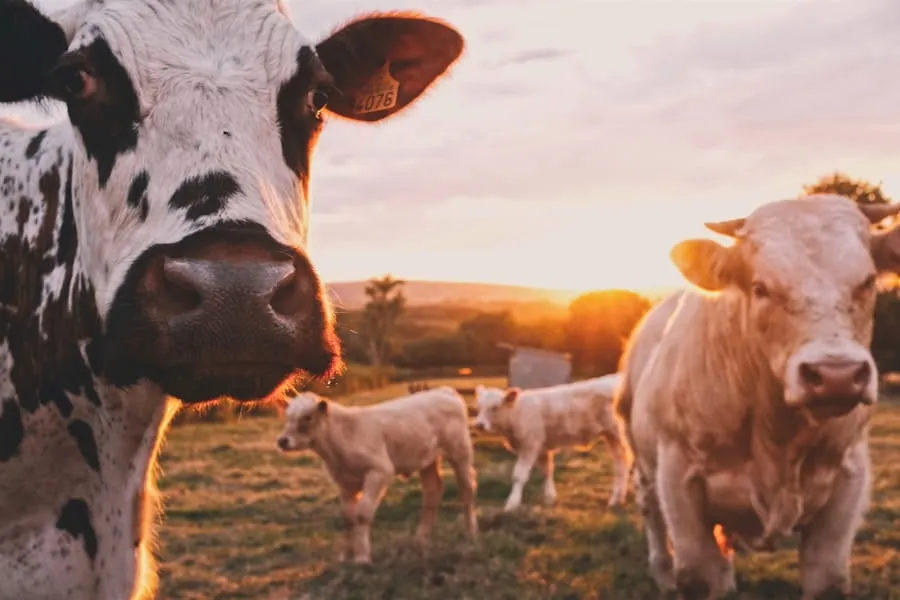
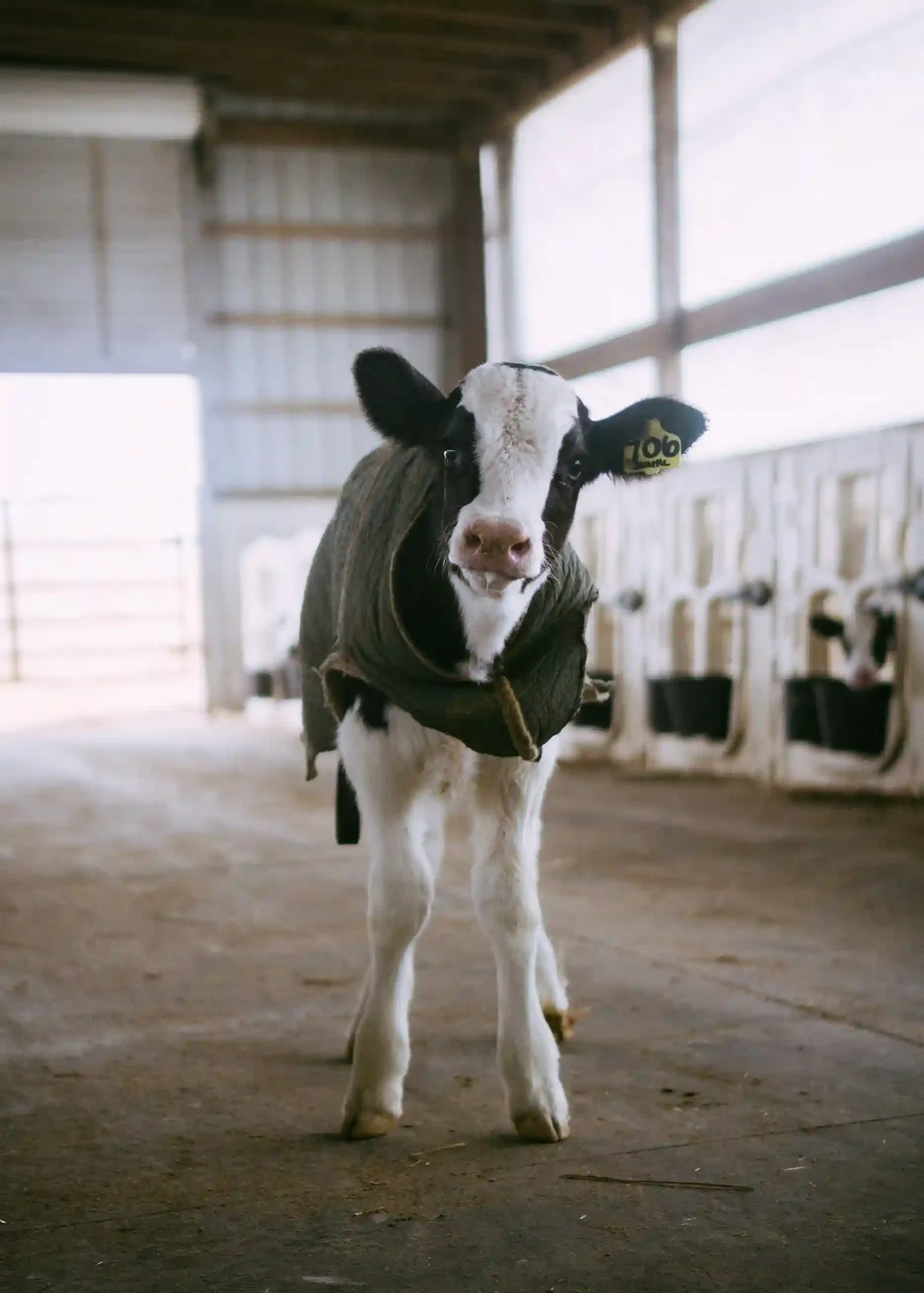
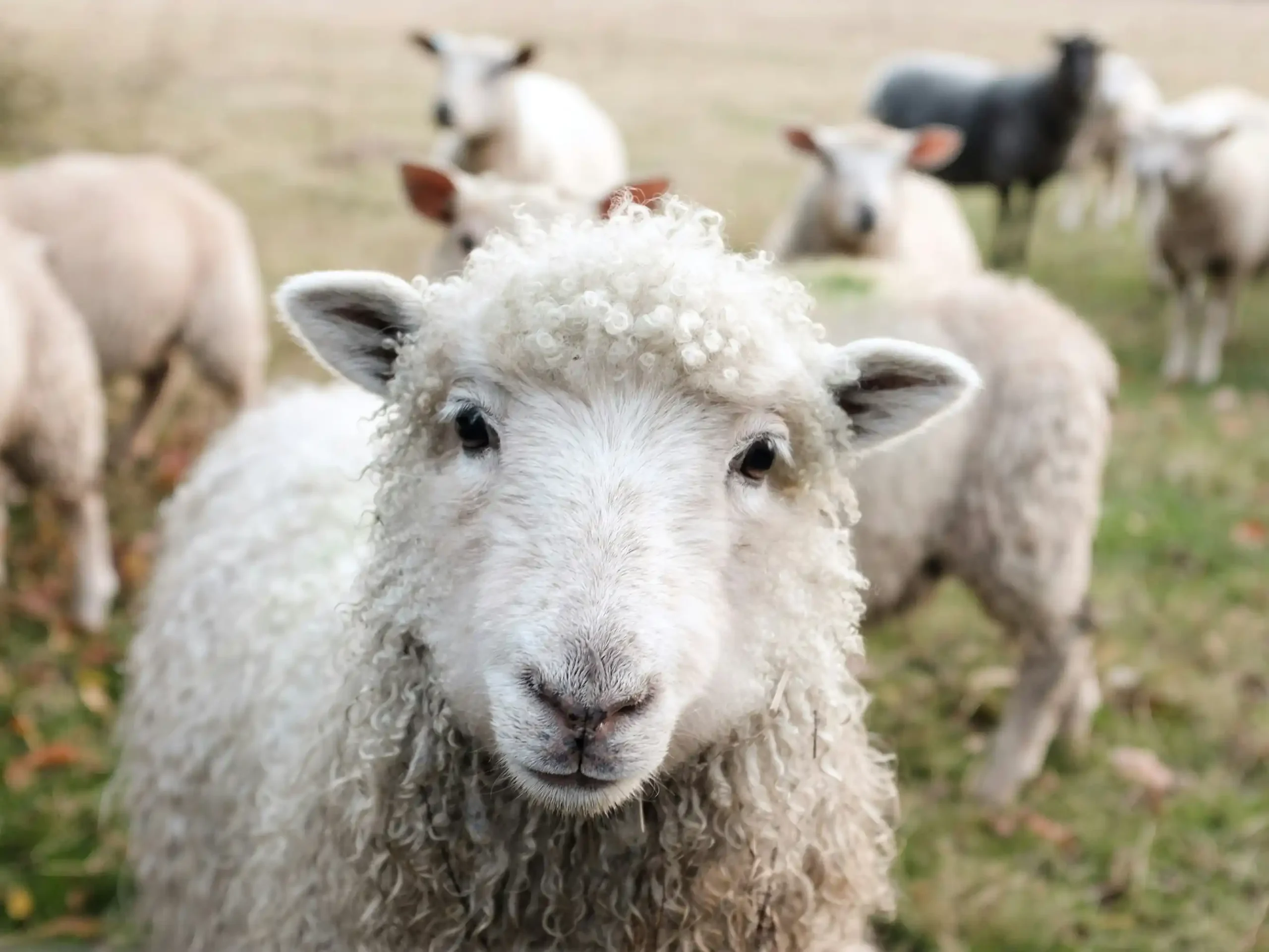
Lameness in farming is a significant issue, impacting animal welfare, productivity, and economic returns. Often considered a “gateway disease,” it leads to other economically essential health problems (Kaler & Green, 2008; Tadich et al., 2010). Lameness affects over 90% of herds, with a within-herd incidence of 10% to 25% (Tadich et al., 2010). The flock incidence is even higher in sheep, particularly in small upland flocks (Kaler & Green, 2008).
The rise in dairy cows living in confinement and moist environments has increased lameness cases (Holzhauer et al., 2006), with continuous exposure to moisture and water causing devitalisation of the epidermis (Bicalho et al., 2009). This number rise has facilitated bacterial entry and increases the risk of traumatic damage and abrasion. Lack of regular and routine preventive foot bathing also contributes to lameness prevalence (Bicalho et al., 2009). Many severe lameness problems are associated with microorganisms, such as Digital Dermatitis (DD), caused by infectious agents like spirochaetes or treponema (Holzhauer et al., 2006), which affect nearly all cattle farms.
DD, also known as Mortellaro’s disease or Italian Footrot, is characterised by a wound on the hoof claw skin and accounts for up to 89% of all lameness cases in dairy cattle (Holzhauer et al., 2006). The condition is red, strawberry-like, painful, and has a strong odour (Berry et al., 2012). Another cause of lameness in cattle is Foul in the Foot, caused by the invasion of Fusobacterium necrophorum bacteria into damaged skin between the claws (Müller et al., 2015). Swelling is often prominent, and a distinct odour accompanies the condition.
In sheep, lameness is primarily caused by bacterial infections such as Scald (interdigital dermatitis) and foot rot linked to the bacteria Dichelobacter nodosus (Hanrahan et al., 2000; Beveridge, 1941). Contagious Ovine Digital Dermatitis (CODD) is another cause of lameness in sheep, associated with Treponeme bacteria that enter flocks through infected animals (Kaler et al., 2010). Lameness in sheep often leads to a dramatic loss of condition, pain, immobility, trace element deficiency, and significant weight loss (Hanrahan et al., 2000).
Controlling foot problems involves preventive measures and prompt treatment. Regular foot bathing and routine hoof care, and claw trimming are crucial. If lameness symptoms appear, it often indicates the need for a more effective foot bathing program (Bicalho et al., 2009).
Other essential measures include:
- Perform routine hoof trimming at least once a year, preferably during the drying-off period.
- Conduct regular foot bathing sessions to help control infectious diseases.
- Seeking prompt treatment for clinically lame animals to prevent further complications.
- Ensuring a clean, dry, and comfortable environment for the animals, walking and resting.
- Incorporating footbaths into daily routines, ideally at every milking or at least twice weekly.
For cattle, placing footbaths at the far end of the lane from the milking parlour allows animals to pass through regularly, maximising preventive benefits (Bicalho et al., 2009). In addition, a proactive approach to hoof care can significantly reduce lameness and foot problems in livestock, ultimately improving their overall health and productivity.