
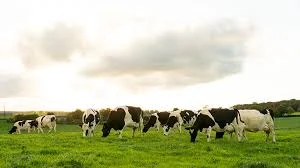
June; we should be on easy street, Long Days, Warmer Weather, Silage made, Grass is plentiful. However over the last number of years I have observed on many farms that Milk yields can start to decline alot faster than expected ( Our target is for them not to decline by more than 2% per month from peak ). We can see variation in components too, Milk Fat can drop, Protein jumps around a little and Milk Ureas are often low too. We are into the third round of breeding, the last round for many farmers, and the sweeper bulls are in.
Now that all sounds a bit doom and gloom, and hopefully no farm is experiencing all of these issues at once, and fingers crossed the challenges they face are not severe. However, in some ways that is the point. It’s often not one thing that is causing a drift in performance, it can be a series of minor shifts that build up.
Grass looks good, Quality should be decent if management has been on point in the earlier rotations, and the advice, and often also your own gut instinct is to reduce supplemental feed to a minimum. This is a solid roadmap, but only based on the assumption that you have the right cow type to make the most of a 95+% grazed grass diet, you actively manage Dry Matter variation on wetter days, and you keep a good eye on the Nutritional characteristics of the sward, Fibre, Protein and Sugar content will all vary according to grass variety, rotation length and prevailing weather conditions. It is well documented how quickly pasture quality can deteriorate at this time of year, not to mention that a lack of fibre at this point can lead to reduced rumen pH, excessively loose dung, and poorer rumination. This can affect fertility and performance, especially where milk fat % is concerned.
A healthy Rumen is designed primarily for digestion of fibrous materials, and what we provide to these cows is more rapidly fermentable ( sugars, starches etc… ) so maintaining fibre levels ( don’t forget fibre is mainly found in the stem of the grass plant rather than the leaves ) is critical, without it, rumen function is compromised, feed efficiency drops, cows lose condition and milk performance falls faster than expected, with higher yielding cows suffering more. Grass can be a complete feed, but not all grass is a complete feed.
June still demands a lot of the cow as she comes down slightly from her peak
- Milk Quantity
- Milk Quality
- Grazing Pressure
- Breeding
- Variable weather
The smallest of reductions in Dry Matter Intake, especially if it continues for a period of time, can significantly impact Energy Balance, Fertility, Milk Solids and Body Condition.
With the temptation to reduce or remove compound feed form the diet mid season it is important to remember Mineral and Trace Element status as trace elements are heavily involved in the processes behind
- Immunity
- Energy Metabolism
- Fertility
- Hoof Health
- And Rumen Efficiency
But they usually don’t look dramatic to begin with. Quietly, reduced thrive can sneak up, fertility drops off, the same bloom isn’t there, lameness starts to rise and then one day it just raises it’s head – are these cow’s milking as well as they could?
My advice to you is to focus on consistency, that is what cows thrive on:
- Consistent feed
- Consistent Dry Matters
- Consistent rumen function
- Minimize stress
- Maintain grazing targets
Avoid the dramatic fluctuations where possible, excessive declines in milk volumes, milk components, body condition or fertility should raise alarm bells, do the simple things consistently well and you should stay on track, we can help with that. Enquire through our website, or speak to one of our stockists or advisors.