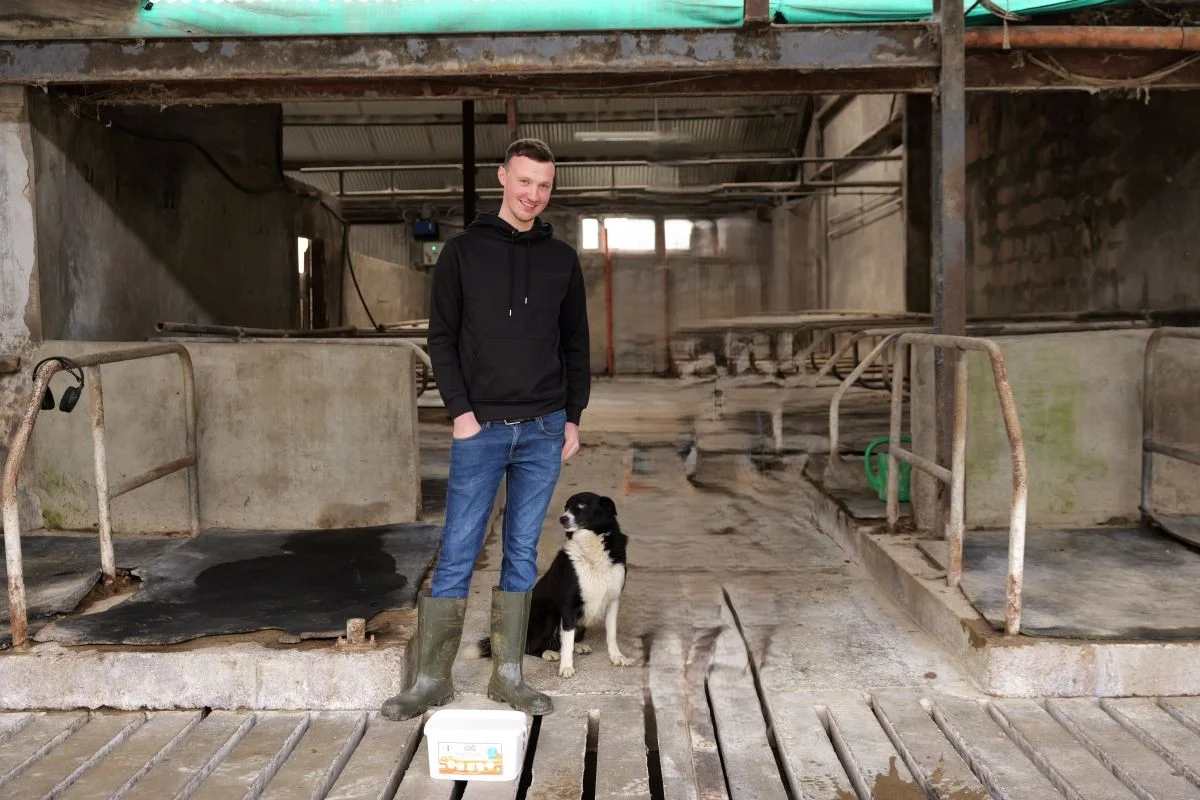
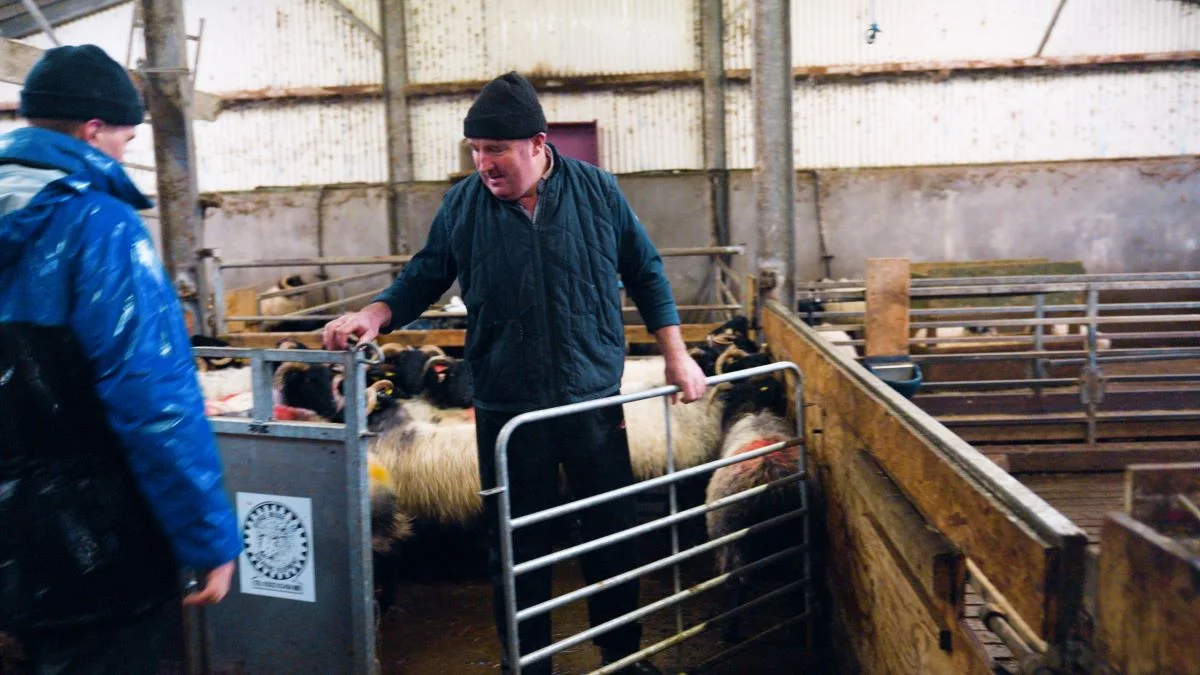
Brian Gibbons farms sheep outside Westport, Co. Mayo, alongside his wife and four children. Mayo is one of the wettest counties in Ireland — and by European standards, one of the highest rainfall regions on the continent. That relentless Atlantic weather defines the farming here as much as anything else.
Farming on the edge of the Atlantic
The ground Brian works is classic west of Ireland hill and marginal land — shallow soils, rock barely beneath the surface, and much of it heavy and wet.
The rainfall that makes Mayo so green is the same rainfall that leaches minerals from already thin soils. In wet, high-rainfall areas like this, waterlogged soils have reduced mineral availability. Grass grown on leached ground is lower in selenium, cobalt, iodine and copper than grass on better-draining land. Sheep grazing that pasture — no matter how well the farm is managed — simply cannot get what they need from forage alone during the critical stages of pregnancy.
“A lot of the ground is mineral deficient,” Brian says. It’s the baseline reality that every decision on the farm has to account for.

The last four weeks: where the season is won or lost
Approximately 70% of foetal lamb growth occurs in the last four weeks of pregnancy. The ewe’s energy requirements spike sharply in this window, her trace element reserves are being drawn down at pace, and the quality of colostrum she will produce is being determined right now — weeks before the lamb ever hits the ground.
It is precisely here that mineral deficiency does its worst damage, often silently. Subclinical deficiencies in selenium, iodine, vitamin E or cobalt during this period directly affect foetal development, lamb vigour at birth, colostrum quality, and the ewe’s ability to recover and milk well. On wet, leached, marginal ground in the west of Ireland, the gap between what the pasture provides and what the ewe actually needs can be significant.
“She can withstand the bitteen of late pregnancy,” Brian says of ewes supplemented with Twin Plus. “And it might help prevent the onset of things like twin lamb disease.” Twin lamb disease — pregnancy toxaemia — arrives when energy and metabolic demand outstrips supply in those final crucial weeks. Prevention is far more effective than treatment.
Finding the right solution
Brian was introduced to Twin Plus through a recommendation from a fellow farmer. “He said it was an all-round good mineral supplement, important for the development of the foetus.”
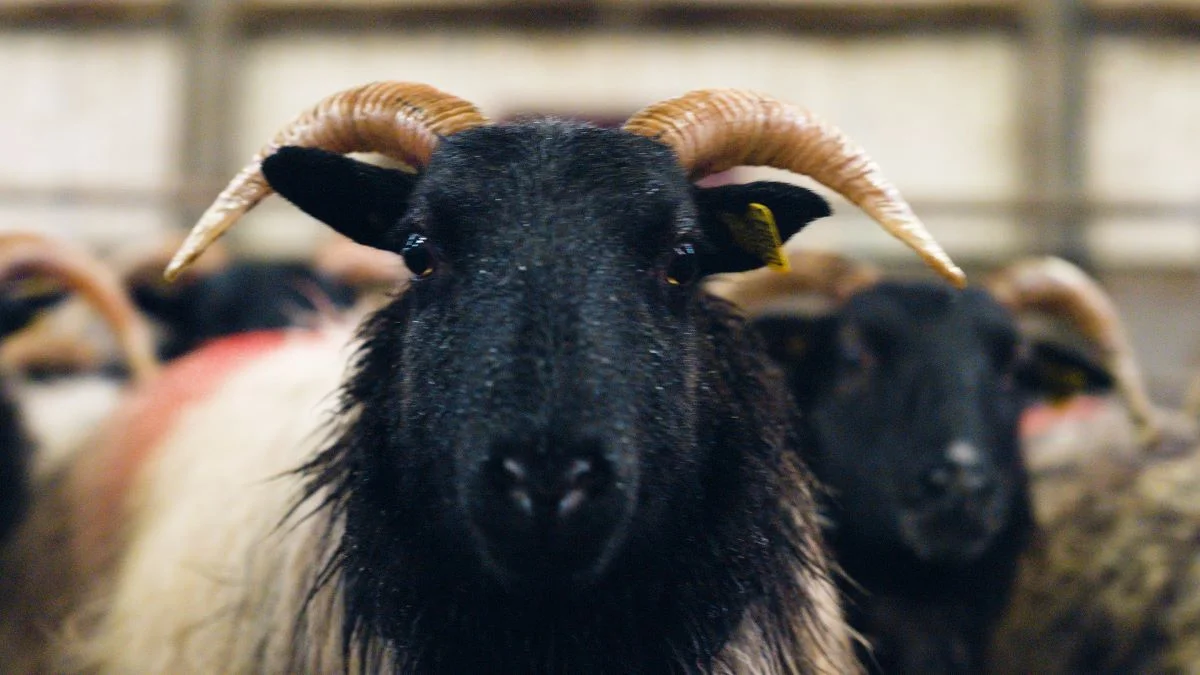
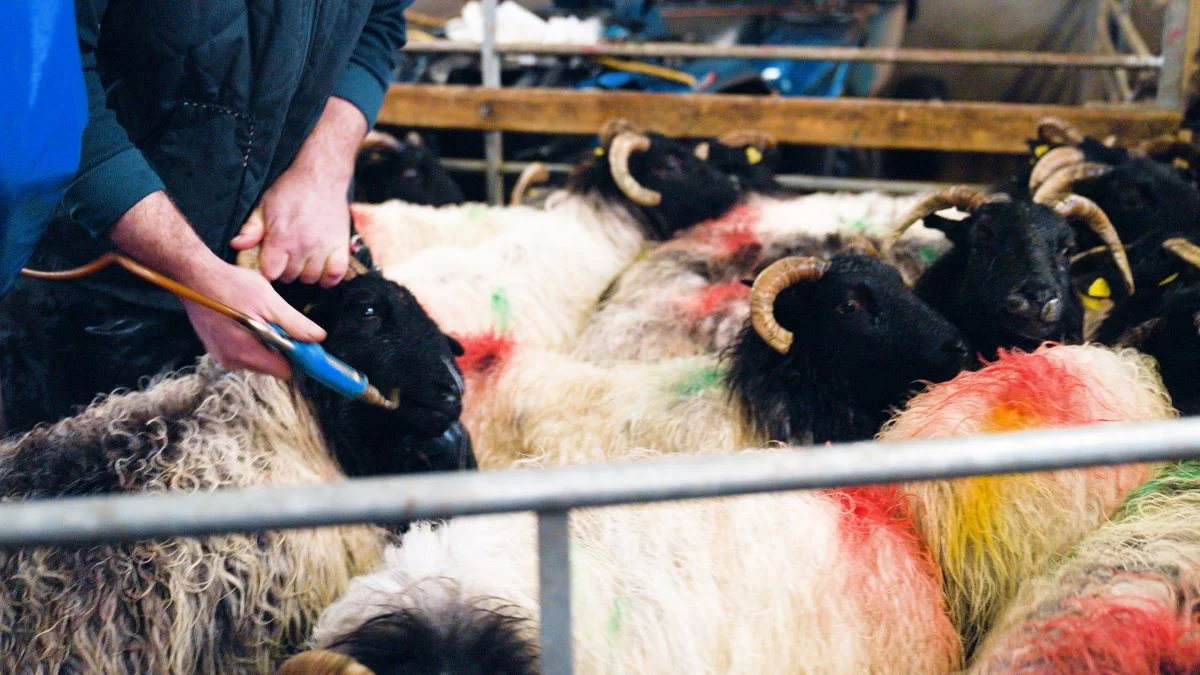
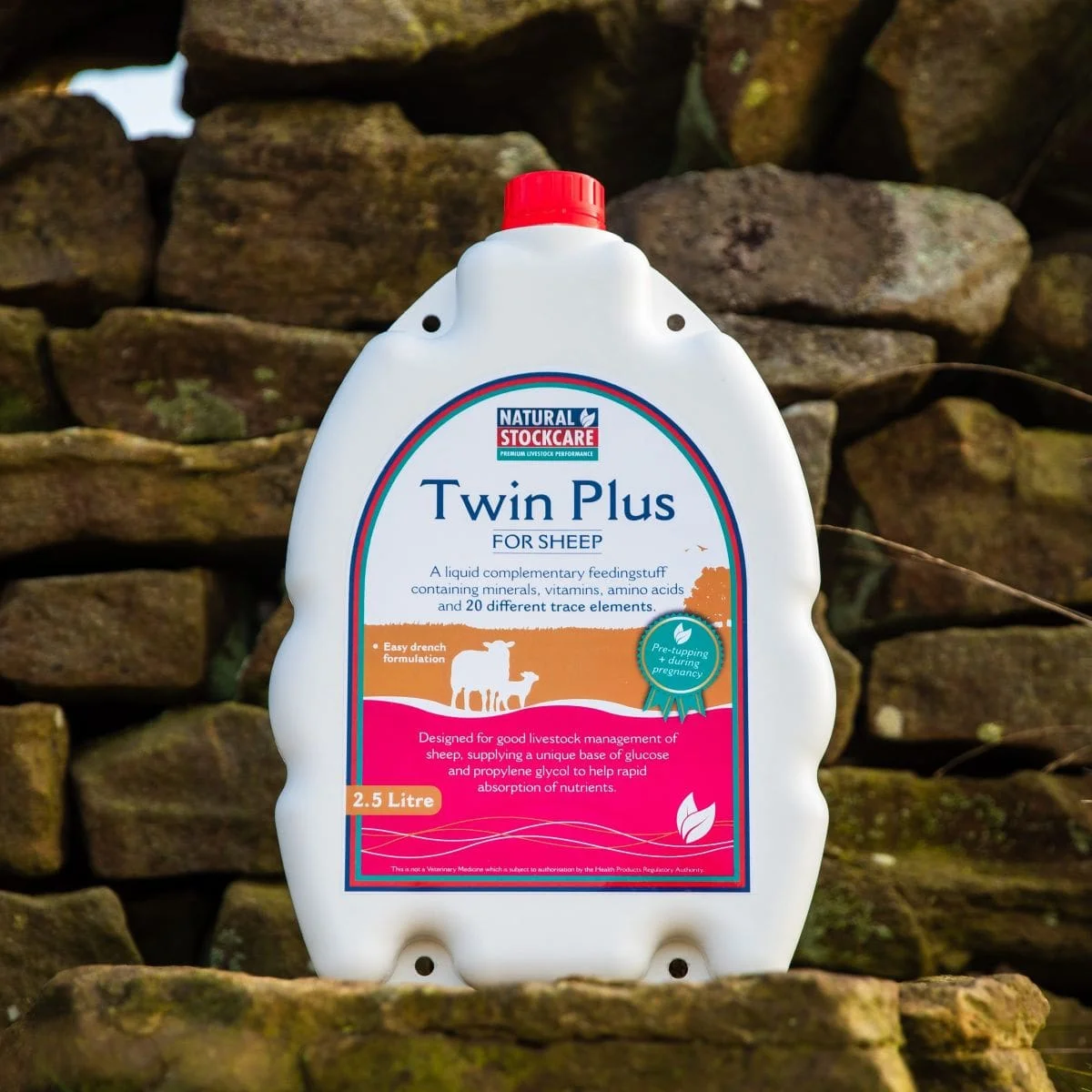
Twin Plus is a liquid complementary feedingstuff containing minerals, vitamins, amino acids and 20 different trace elements, formulated specifically for sheep in the pre-tupping and pregnancy period. Its easy drench formulation makes it practical to use on a busy farm, and it carries Sheep Welfare Scheme approval.
The product delivers key vitamins including A, D3, E and B1, alongside trace elements such as selenium, cobalt, zinc, iodine, iron and manganese — nutrients that directly support foetal development, colostrum quality and lamb vigour at birth.
“We find it straight, value for money,” says Brian. “You’re getting a supplement that’s been fortified to address the mineral range we’re short on here. The ewe isn’t getting run down as much.”
That first milk is the key
The condition of the ewe in those final weeks determines everything that follows — and nothing matters more than what happens in the first hours of a lamb’s life.
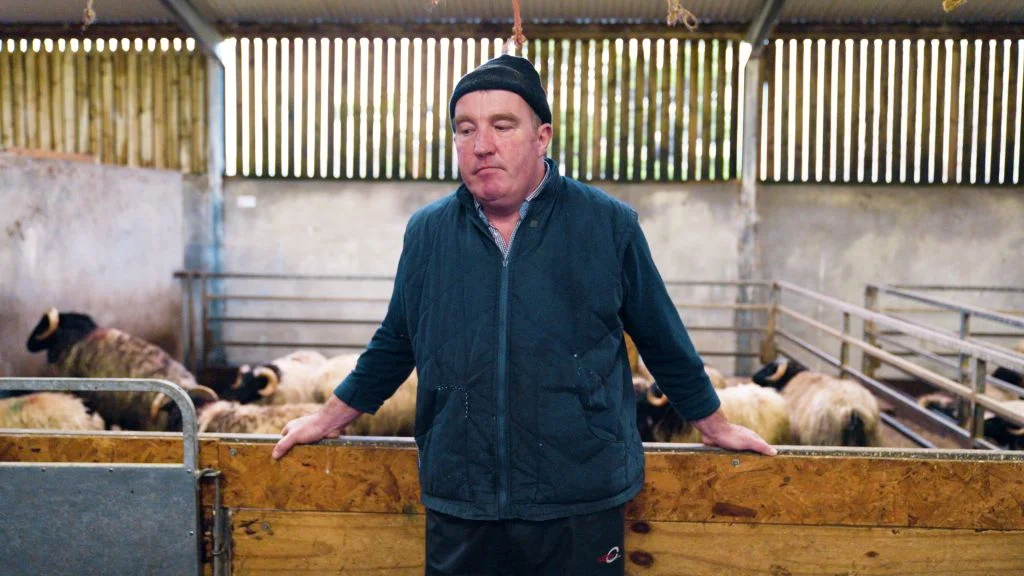
“When the ewe is healthy, the lamb will be up and running quicker — full of vitality,” Brian says. “That first milk is the key. If there’s proper nutrients in terms of minerals, it helps the lamb.”
Colostrum quality is set by the ewe’s nutritional status in the weeks before she lambs. A ewe properly supported through late pregnancy produces richer, more protective colostrum. On a wet Atlantic farm where weather at lambing can be brutal, that vitality at birth matters enormously.
Meeting scheme requirements — and more
With the Sheep Welfare Scheme requiring the use of approved supplements, Twin Plus ticks both boxes — it delivers on farm and qualifies for the scheme.
“It helps to counteract the deficiencies, it qualifies you for the Sheep Welfare Scheme — and it’s a win-win really,” Brian says.
Brian’s verdict
“I would recommend it to any farmer which is yours — it helps counteract the deficiencies and you can protect the ewe through the most demanding stage of the production cycle.”
On mineral-poor, high-rainfall ground, with 70% of lamb growth packed into the final four weeks of pregnancy, targeted supplementation is what bridges the gap between what the land provides and what the ewe and her lambs actually need.
Twin Plus is available from your local retailer or get in touch with our team to find out more.