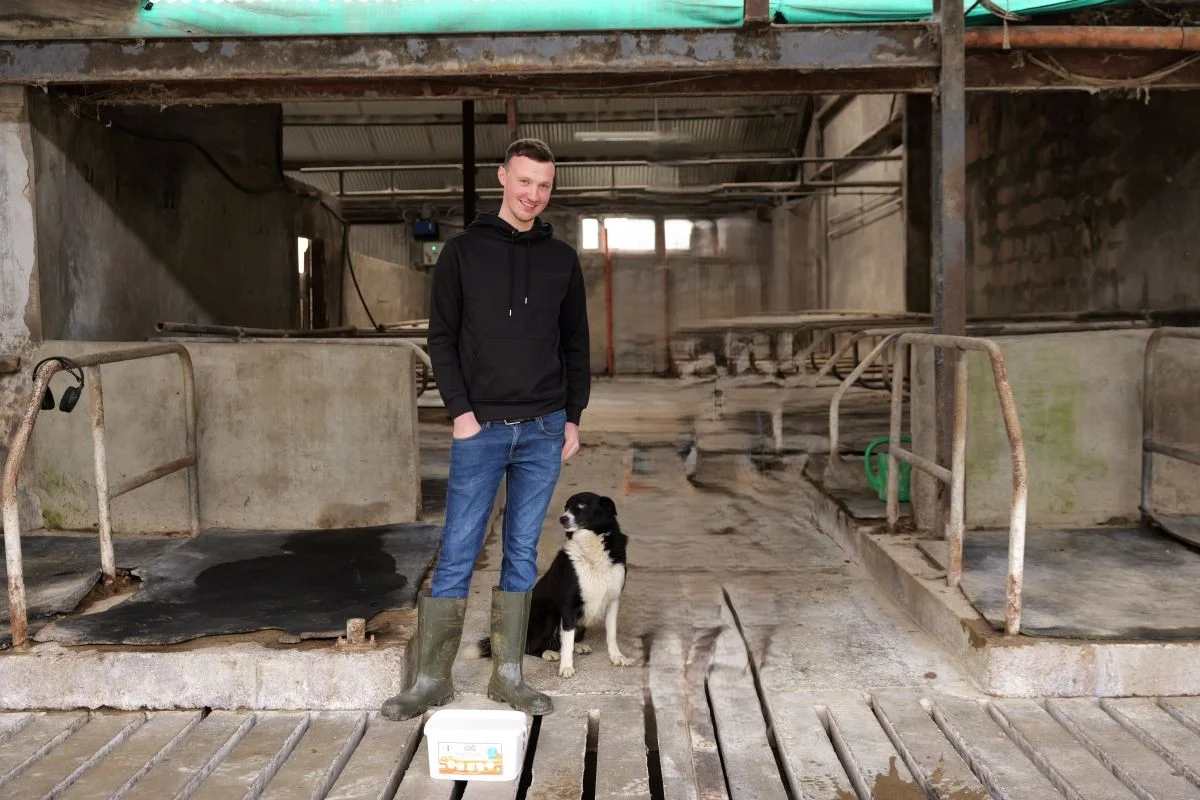
Spring 2024 was one of the toughest in recent memory for sheep farmers across the west of Ireland. Saturated ground, poor grass growth, and earlier-than-usual housing put pressure on flocks at the worst possible time — just weeks before lambing. In conditions like these, getting pre-lambing nutrition right isn’t a luxury. It’s the difference between ewes that lamb well and recover quickly, and ewes that struggle through the season.
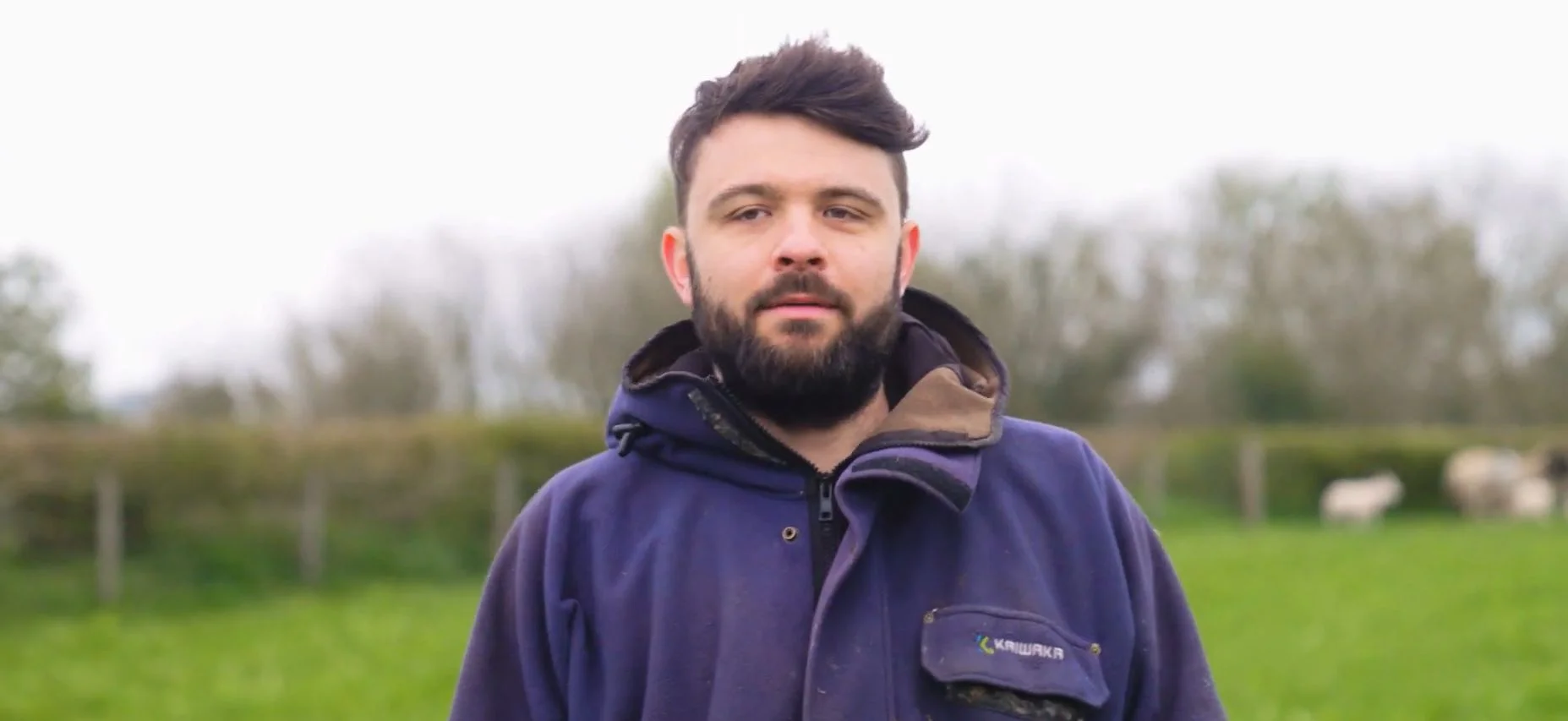
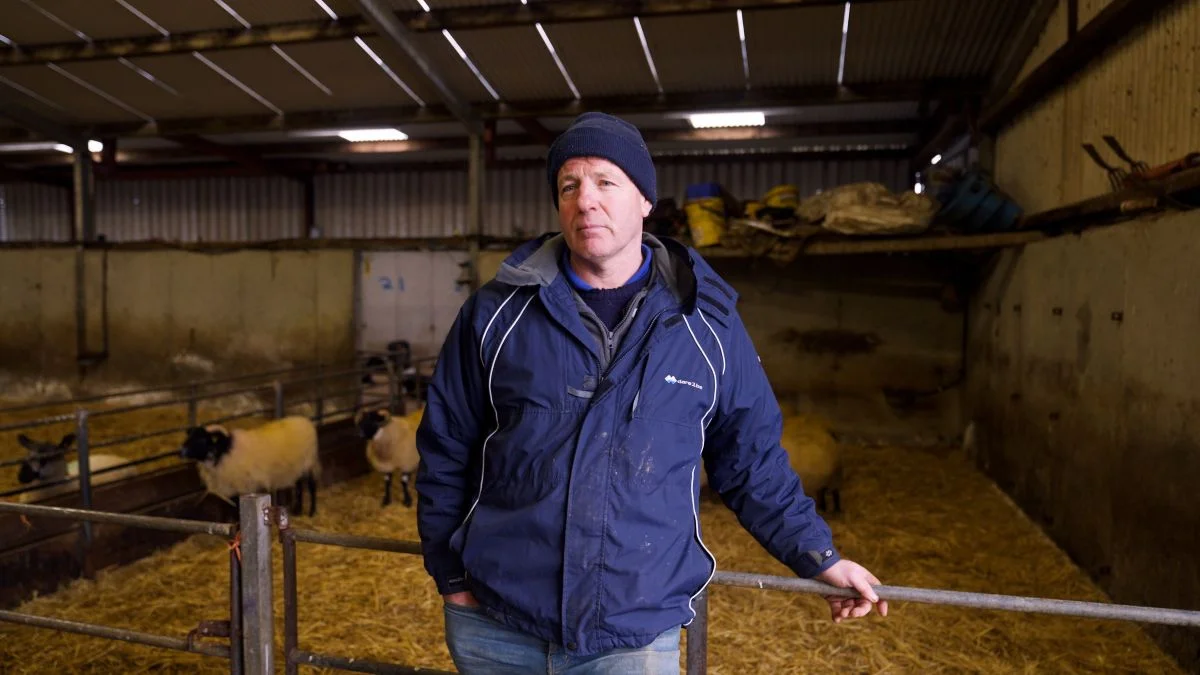
For Joe Scahill, farming near Westport in Co. Mayo, this spring has been no different. But his approach to managing a 600-ewe flock on mixed ground — lowland, inside land, and rough hill grazing — shows what careful, practical nutrition planning looks like when it matters most.
The Farm
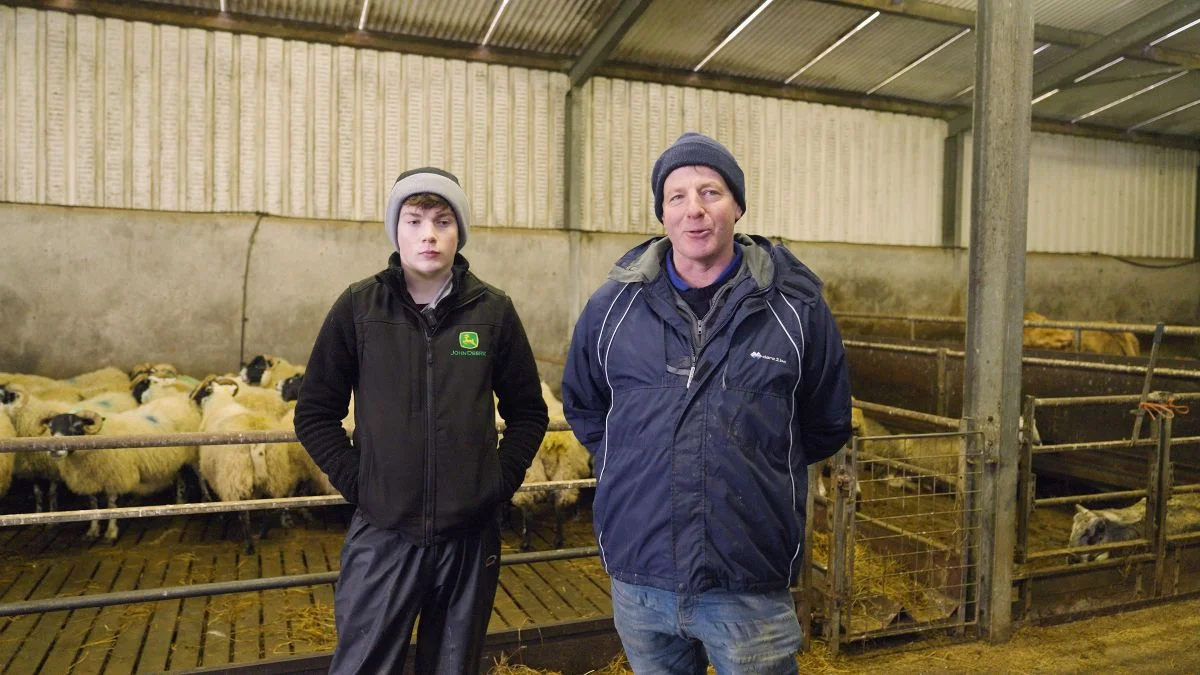
Joe farms alongside his wife Cathy and their four children across approximately 400 acres: 100 rented lowland, 50 owned lowland, and a large block of rough hill grazing that shapes everything about how the enterprise runs. Around 60% of his ewes go to a Bluefaced Leicester to produce mule lambs, while the other 40% are crossed back to produce his own replacement hoggets — keeping the flock self-sufficient and the genetics in his own hands.
Running both systems side by side puts consistent pressure on ewe performance. She has to be in good condition at lambing, produce quality colostrum, rear the lamb well, and recover quickly enough to go back to the ram in autumn. Anything that undermines that cycle costs twice — once in the lamb, once in the ewe.
“The ground is in poor condition,” he says. “We have some sheep housed already which we usually wouldn’t do. The grass has just disappeared this year.”
Pre-Lambing: Twin Plus
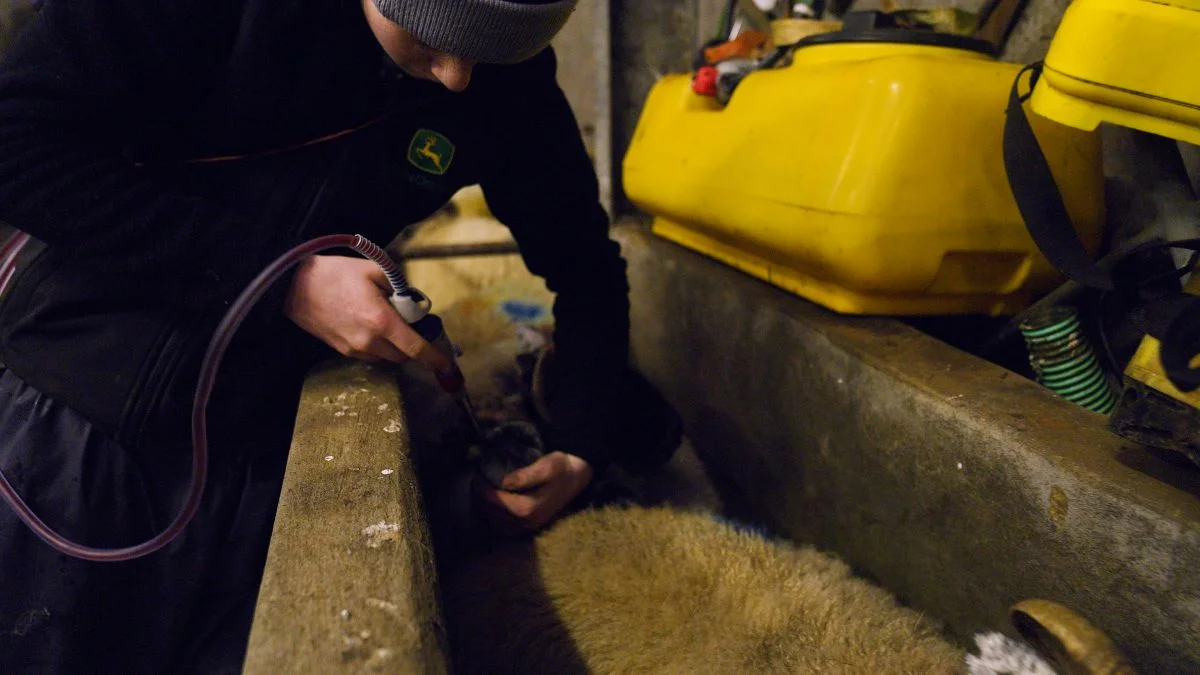
In the weeks before lambing, Joe uses Twin Plus. It sits alongside good body condition and adequate forage — but it has become a fixture in his programme. He has tried other products. He has done the maths.
“We used Twin Plus and we found it was good value for money,” he says. “Giving us as good results as anything else we’d ever used. If you compare it to some of the other products out there, per head they work out a lot dearer.”
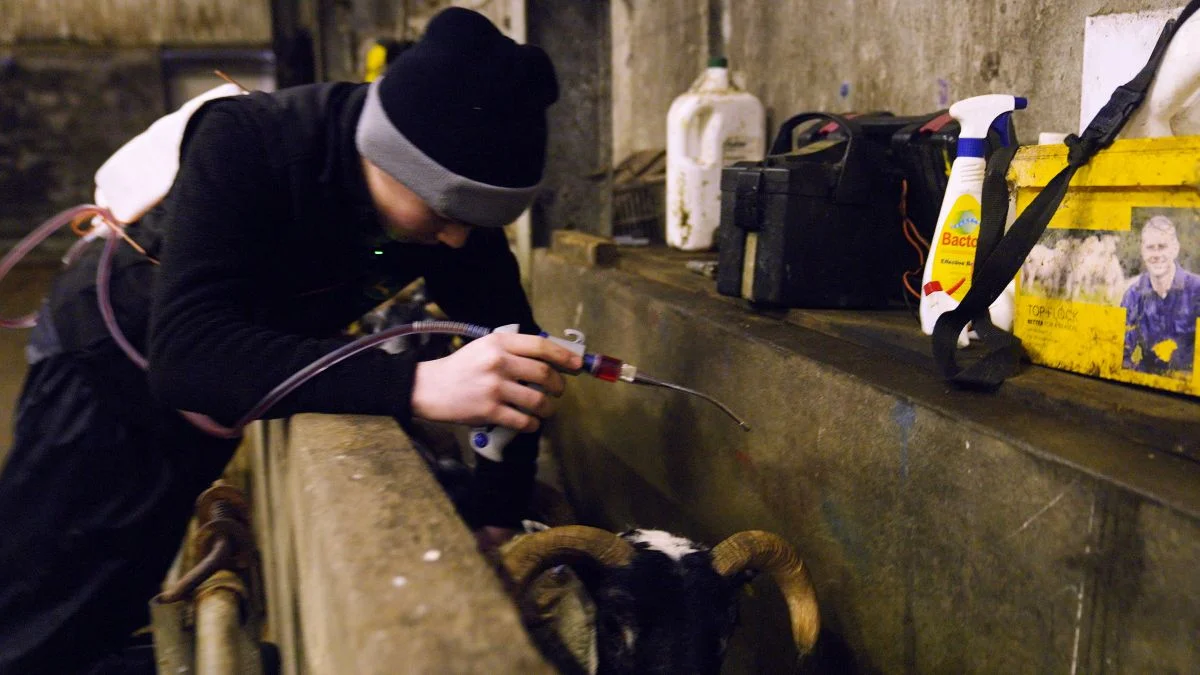
On a flock of 600, the practical side matters as much as the formulation. A drench that is hard to work with — too thick, resisted by the sheep — introduces uncertainty into a job that needs to be done accurately and quickly.
“There’s nothing worse than something that won’t come through the gun or that the sheep are spitting out. Because you never know how accurately the job is done. We find there’s no issues with Twin Plus at all. Once you give it to them, they look well. Sure that’s all you can go by — the performance and how they look.”
Joe is also enrolled in the Sheep Welfare Scheme, and his mineral drenching qualifies as an approved action. “We’d be doing it anyway. So it makes sense that it covers the scheme requirement too.”
Summer: Cobalt B12
Lambing is only the start. What those lambs do over the summer — how they grow, how they convert grass, how build their condition — determines the return on everything that came before.
For the past two summers, Joe has been using Cobalt B12 on his lambs through the grazing season. Four doses across the summer. Five or six cent per head per dose.
On hill and rough grazings like his, cobalt deficiency is a consistent background risk. Without enough cobalt, rumen microbes can’t synthesise Vitamin B12. Without B12, lambs can’t efficiently convert feed into liveweight. Subclinical deficiency — the kind that quietly costs money without ever producing a lamb that looks dramatically ill — is far more common than the clinical cases.
“The lambs do well for us here. You’re only looking at five or six cent a head, four times over the summer. If it’s working, it’s hard to pass it out at that price.”
Why Twin Plus and Cobalt B12 Stay in the Programme
Input costs across the board — meal, fertiliser, fuel — have risen and stayed there. Joe’s response is not to cut indiscriminately, but to make sure everything in the programme is pulling its weight.
“Anywhere you can bring cost down while still getting effective performance,” he says, “I think it’s important to look at it.”
Joe Scahill is not doing anything revolutionary, but he is farming efficiently, no room for waste. He is running a sheep enterprise on mixed ground in the west of Ireland, filling in the nutritional gaps with products that have proven themselves, and watching how his animals look and perform season to season. Careful, practical farming — the kind that keeps enterprises like his viable through difficult years.
If you’d like to find out more about Twin Plus or Cobalt B12 for your own flock, get in touch with our team or visit the full Natural Stockcare product range.