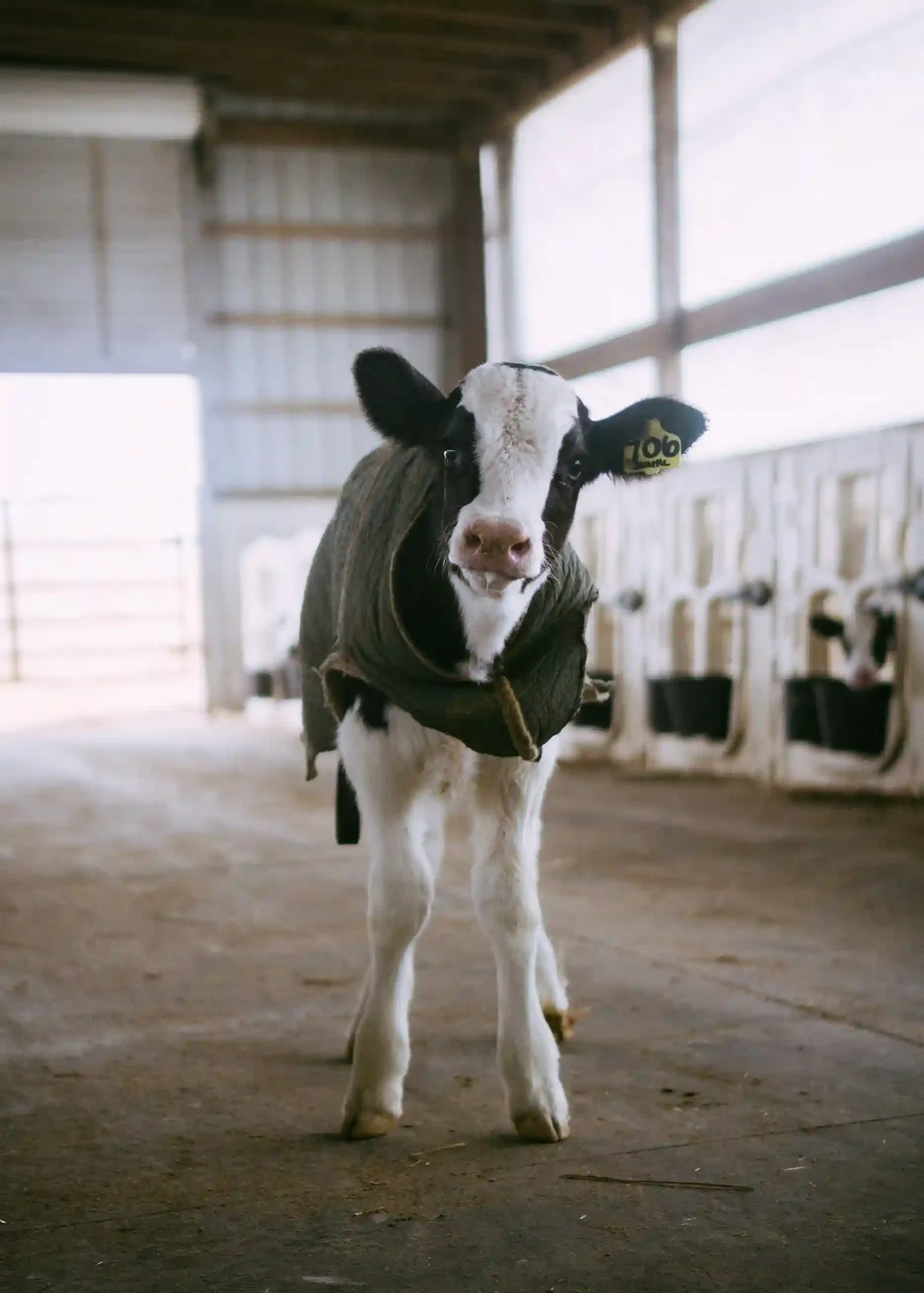
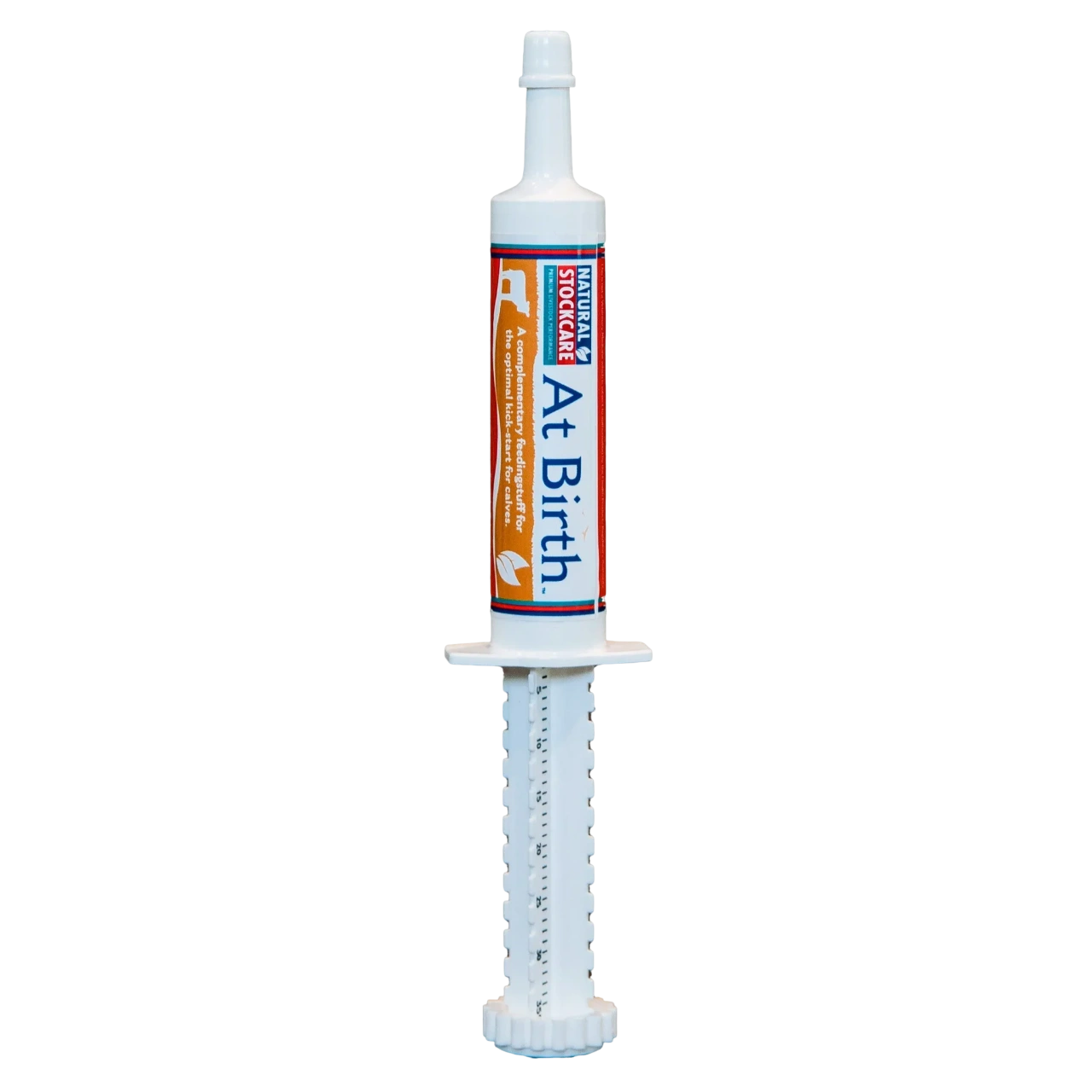
With At Birth Syringes, you can give your newborn calves the best beginning for a healthy life. These specialised probiotic and prebiotic supplements are expertly formulated to support their well-being from day one. Promoting a thriving gut microbiome and providing essential nutrients, At Birth Syringes help your calves reach their full potential. So start their journey and set the stage for a robust and thriving herd.
“Using At Birth Tubes for the past two years has been a great success for our farm. Regardless of a calf’s value, they all receive the same treatment and it’s worth it to avoid the cost and time of caring for a sick calf. We’ve noticed that once they received their At Birth tube and colostrum they seem to thrive and are better equipped to fight infections.It’s also great to get the calves up and moving quickly. The result is a healthier and more robust herd, and we highly recommend At Birth Tubes to any farmer looking to give their calves the best start in life.”
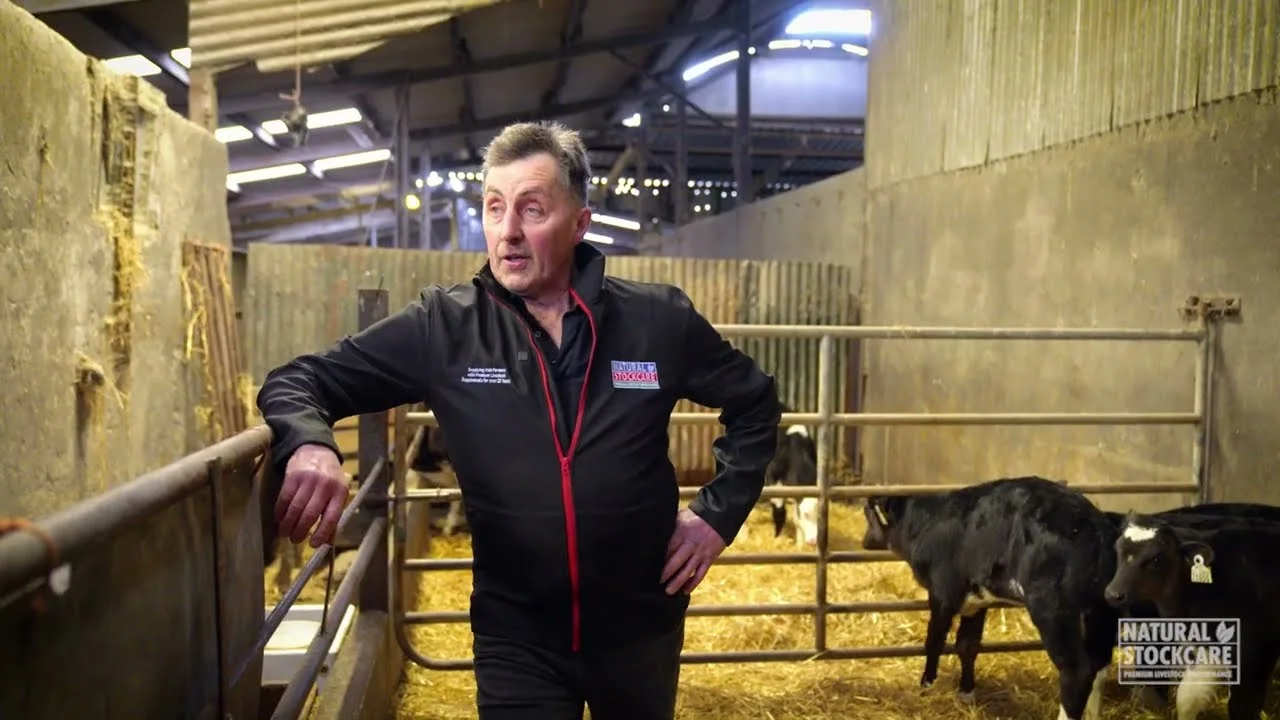
“Using the At Birth Tubes has been a game-changer for my farm. Our calves have been getting up faster and have stronger immune systems. As a farmer with a mix of pedigree and commercial cattle, I highly recommend them — and have already recommended them to many dairy farms I’ve worked on.”

Within six or seven hours of birth, we give the At Birth. We found the calves were up, kicking, and flying straight away.
The main benefit is getting the calf going immediately. It gives them the encouragement to suck the cow and boosts their immune system going forward.

Antimicrobial Resistance (AMR) poses a significant threat to animal and human health globally, leading to substantial social and economic burdens (WHO, 2019). In the EU alone, AMR is responsible for an estimated 33,000 deaths annually, resulting in healthcare costs and productivity losses of 1.5 billion euros annually (EC, 2018). To combat this crisis, the European “One Health Action Plan” advocates for a holistic “One Health” approach that recognises the interconnectedness between human health, animal health, and the environment (EC, 2017).
The overuse of antibiotics contributes to the development of AMR (FAO, 2018). Moreover, broad-spectrum oral antibiotics can indiscriminately impact harmful pathogens and beneficial commensal bacteria, reducing gut microbiome diversity and function (Jernberg et al., 2010). This is known as a “subtractive approach” to the gut microbiome. In contrast, probiotics can be seen as an “additive approach, “ which involves introducing beneficial organisms to the gut (Sanders et al., 2018).
Probiotics contain live bacteria that prevent pathogens from adhering to the gut lining, produce natural antimicrobial substances called bacteriocins to eliminate them, and fortify the gut wall against pathogens. They also stimulate local immunity in the gut and release chemical messengers that enhance local immunity and antibody formation in other body parts. In addition, Prebiotics, such as fructooligosaccharides (FOS), promote the growth of beneficial commensal bacteria in the intestine, resulting in a healthier gut and increased immunity (Budden et al., 2017).
Probiotics offer a valuable alternative to antibiotics in addressing the AMR threat, which is recognised as a significant global concern for animal and human health (World Health Organization, 2015). Probiotics help restore microbiome balance, strengthen the immune system, and mitigate the development of antimicrobial resistance (Oliveira et al., 2019; Turner et al., 2019). The gut microbiome, consisting of a diverse population of beneficial organisms, plays a critical role in the body’s immune system (Bienenstock et al., 2013). Probiotics and prebiotics have emerged as promising alternative antibiotics to promote healthy gut microbiota and immune function in newborns and calves. They can help reduce the incidence of infections, improve weight gain, and enhance the overall health and immunity of newborn animals without antibiotics (Maddox et al., 2019).
Newborn animals have an underdeveloped gut microbiome, making them highly susceptible to infections. Germ-free animals exhibit lower immunity and increased susceptibility to diseases, underscoring the importance of gut commensal bacteria in maintaining a fully functional immune system (Budden et al., 2017). Studies have demonstrated that an imbalanced gut microbiome, characterised by dysbiosis between beneficial and pathogenic organisms, reduces immunity and disease susceptibility (Turner et al., 2019). Probiotics also release natural substances, like bacteriocins, which can eliminate invading pathogenic bacteria and prevent the attachment of harmful E. coli to the gut lining (Lebeer et al., 2018). Research has further revealed that probiotics significantly enhance immunity and promote the production of natural protective immunoglobulins (Sanders et al., 2018).
Supplementing newborn calves’ diet with probiotics and prebiotics enhances immunity and helps prevent E. coli infections (Oliveira et al., 2019). The commensal organisms in the gut operate a signalling system that boosts heart and organ immunity, such as the lungs (Sunkara et al., 2011; Bienenstock et al., 2013). Short-chain fatty acids (SCFA) produced by gut commensals strengthen gut defences, reinforce tight junctions, produce local antibodies, and travel to other organs, particularly the lungs, enhancing local defences and immunity (Bienenstock et al., 2013). Probiotics, with their live bacterial organisms, prevent pathogen adherence to the gut lining, eliminate them using natural antimicrobial substances, and fortify the gut barrier against pathogens. They also stimulate local immune responses in the gut and release chemical messengers that enhance local immunity and promote the formation of antibodies (Bienenstock et al., 2013). Prebiotics, such as fructooligosaccharides (FOS), indirectly promote the growth of beneficial commensal bacteria in the intestine, leading to a healthier gut and improved immunity (Budden et al., 2017).
Research has shown that supplementing the diet of newborn dairy calves with prebiotics improves the abundance and diversity of beneficial gut bacteria, reduces potentially harmful bacteria, and positively influences immune function (Meehan et al., 2021). Similarly, probiotic supplementation in newborn lambs and calves has been demonstrated to enhance immune function and reduce the incidence of diarrhoea (Firth et al., 2019; Oliveira et al., 2018). Probiotics and prebiotics represent effective strategies for establishing a healthy gut microbiome and promoting immune function in newborn animals.
Behind every product is a team committed to supporting farmers and their animals. Get to know the people who make Natural Stockcare what it is.

Managing Director

Technical Director

Key Account Manager

Key Account Manager